{{ 'fb_in_app_browser_popup.desc' | translate }} {{ 'fb_in_app_browser_popup.copy_link' | translate }}

{{ 'in_app_browser_popup.desc' | translate }}

【盛夏補水 生活指南】登山、野餐、郊遊、日常補水首選!

【桂香初綻 八月香濃】專屬優惠來囉!點我看更多!

【官網單筆消費滿 $1500 即享免運!】 【加入會員再享首購禮9折優惠呦!】點我註冊去!

Rural Roots Report 05 – Meinong, Kaohsiung │ Fengnian Agricultural Products

Camouflage-Colored Green Gems, Light and Dark

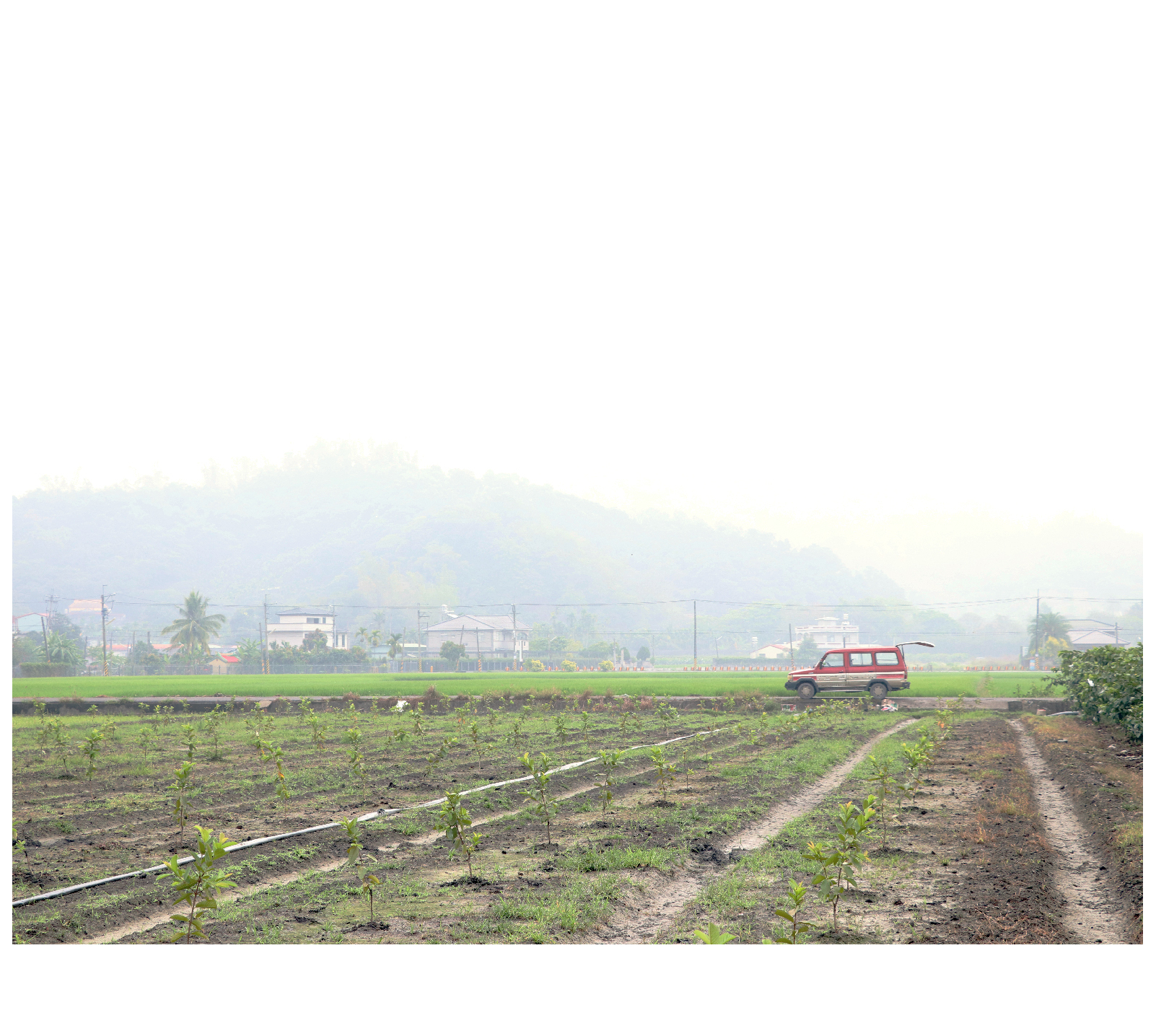
In the blessed land of Meinong, known for its fertile soil and outstanding people, the comfortable climate makes it ideal for fruit growing. Just past a small country road and across a ditch lies the Zhong family’s Royal Guava Orchard. Crouched among the trees with a pair of pruning shears, Mr. Zhong explains, “Royal guavas are hard to grow because they have a high nitrogen content. They spoil easily and develop black spots. A tree may only bear one or two usable fruits, and even those don’t sell for much. Sometimes we just have to toss them out right in the orchard.”
From oddly shaped to speckled guavas, these “imperfect” fruits are labeled as rejects, even though they are just as nutritious as the prettier ones.

Guavas have a long fruiting season and high yields, causing the soil to quickly lose nutrients. Fertilizing becomes a delicate skill—different types of fertilizer are needed for the flowering, early fruit, and harvesting stages, all of which rely on the farmer’s accumulated experience.
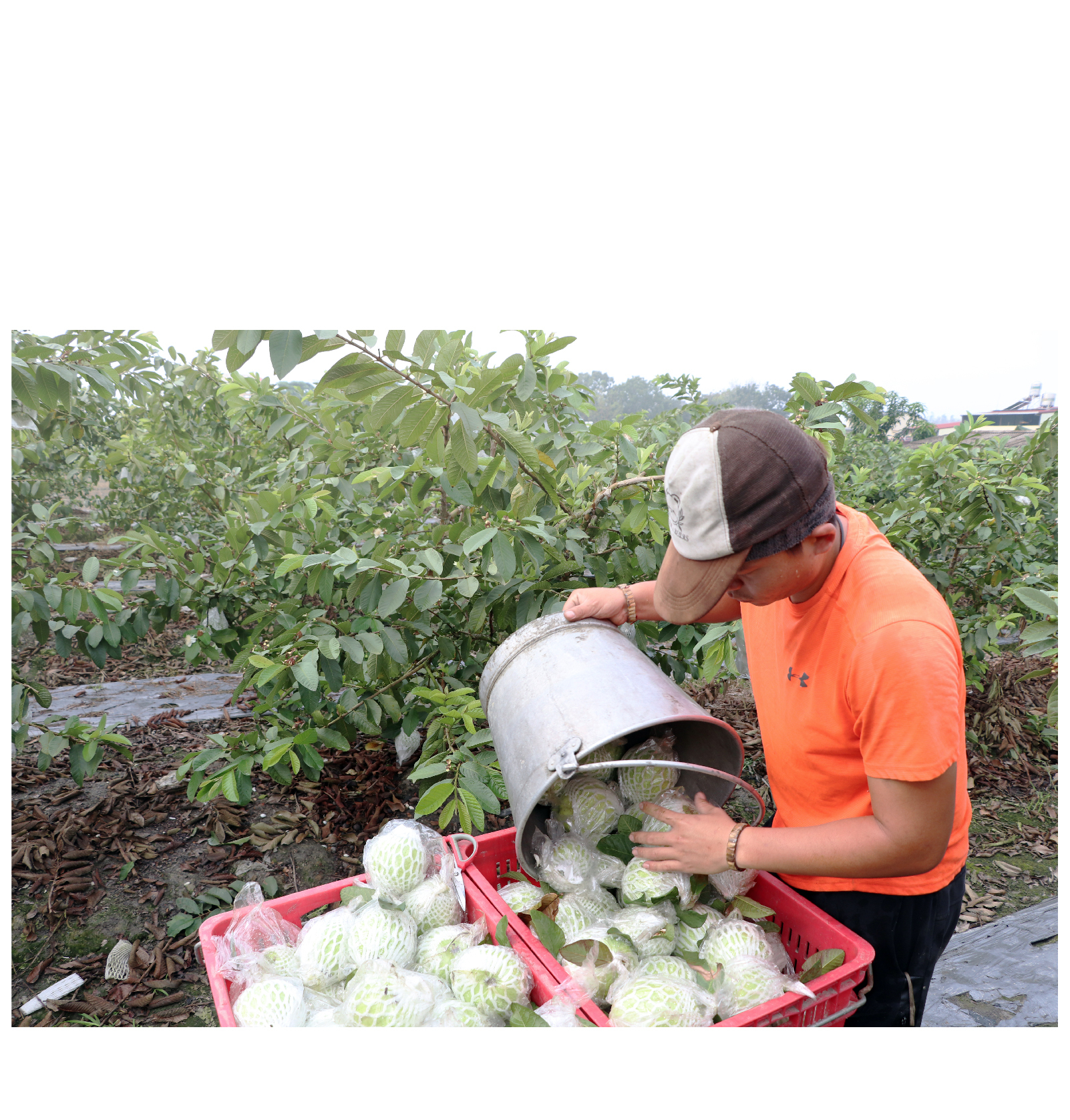
But even after making it to harvest season, there's another hurdle: knowing when a guava is ripe. The pale green of ripe fruit and the deep green of unripe fruit look nearly identical under the sunlight—like camouflage—making it extremely difficult to distinguish them.

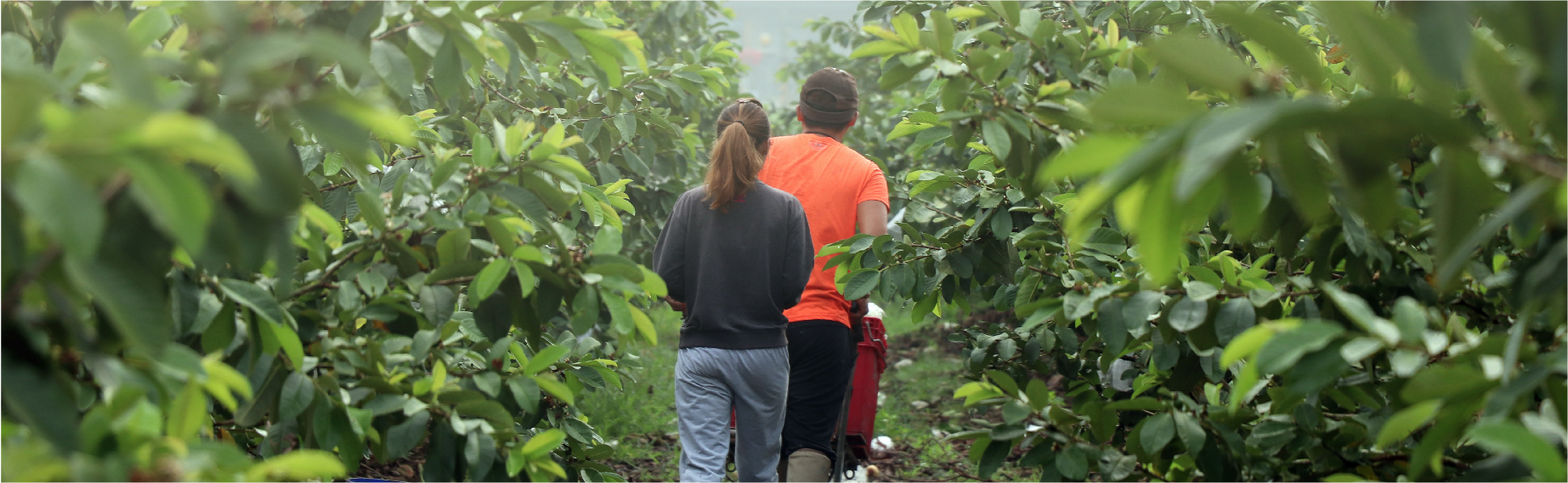
Despite Mr. Zhong’s guidance, we ended up picking many unripe guavas. They all looked green to us, and as amateurs, we simply couldn’t tell the difference. Mr. Zhong laughed and reassured us, “This is a rite of passage for all guava growers!” Watching him and his wife laugh it off, while their children played and helped in the orchard, our guilt slowly faded into the joyful sounds of the farm.

Rebellious on the Outside, Genuine at Heart
"Sometimes it really frustrates me — such a big guava, but with black spots, and that means it can’t be sold. What a waste." Brother Zhong has been farming for nearly eight years, and though still young, he's already deeply rooted in this land. Having helped on the farm since he was a student, he made the bold decision to quit school shortly after graduating high school to return home and assist. “I thought going for an associate degree wouldn’t be much help. Might as well start working and making money sooner,” he says with a cheerful tone. Though he comes across as carefree and rebellious, he revealed a deeper reason during our visit: “I started helping out in high school, and my grandparents and parents were already aging. I thought, if they’re gone, I won’t be able to learn anything from them. Better to come back early and learn by doing.”

The aging of Taiwan’s farming population is no longer just news—it’s a growing and serious reality. The physically demanding nature of farm work, with long hours under the sun and wind, discourages many. While we've had the luck of meeting a few young farmers during our field visits, we all know it’s just a drop in the ocean. The path forward for Taiwanese agriculture is still long, but we hope to continue walking alongside these smallholder farmers.

"From September to around May, it’s our busy farming season. Summer’s just too hot for growing anything." Brother Zhong recalls the summer of 2018, when guava prices crashed. Traders were offering just five NTD per kilogram, and for blemished fruits, they refused to buy them at all. Out of a full 60-catty (around 36 kg) basket, about 10 to 20 catties were substandard. These guavas, despite growing up well, ended up as compost. “Otherwise, we feed them to our chickens, or just give them away,” he says. Despite his and his sister’s cheerful demeanor, there was clear sadness and disappointment in their voices.

A Lifetime Devoted to One Thing

Seeing how young Brother Zhong and his wife are, with their two adorable little daughters, we casually asked, “How long do you plan to keep farming?” His answer was straightforward:
“Farming is a lifelong job—until no one takes over. Retirement? That’s not even on the table!”
His hearty, honest laugh made us feel a bit sheepish, as if we’d just asked a question with too obvious an answer.
“If the kids want to take over one day, they can. If not, well, they’ll figure it out.”
Though he always speaks lightheartedly, there is one line he said that struck us deeply:
“In this lifetime, do one thing well.”

Thinking back, all the farmers who’ve walked this journey with Good Island—from veteran growers with decades of experience to young returnees who grew up helping and came back to the land—almost never have a day off.
Because fruits grow every single day—absorbing nutrients, resisting pests, surviving extreme weather—they never rest. So farmers don’t either.
To grow until old age, to work until old age—that’s their everyday life.
Across many orchards, we’ve come to realize the same truth:
Farming isn’t just a job—it’s a lifetime.

After giving us a parting gift of guavas, our day’s visit came to an end. Brother Zhong rode off with his wife on the back of a scooter. A simple scene, yet for us, quietly romantic.
Their silhouette remains in our camera, and we hope it stays forever in this peaceful little town.
If you too want the fruits, dried fruits, and jams that reach your and your family’s table to be free of preservatives and filled with the richness of the earth, we invite you to continue following the stories of Good Island and our partner farmers.