{{ 'fb_in_app_browser_popup.desc' | translate }} {{ 'fb_in_app_browser_popup.copy_link' | translate }}
{{ 'in_app_browser_popup.desc' | translate }}
Village Roots Report 03 | Yanpu, Pingtung – Lemon Kuo-Li Orchard
A Three-Generation Orchard
At this lemon orchard in Pingtung, a multifunctional structure that combines farmhouse, factory, residence, and warehouse immediately catches the eye. The materials-filled workshop and the two-story white home stand side by side—what might have felt incongruous instead exudes tranquility, surrounded by lush greenery.
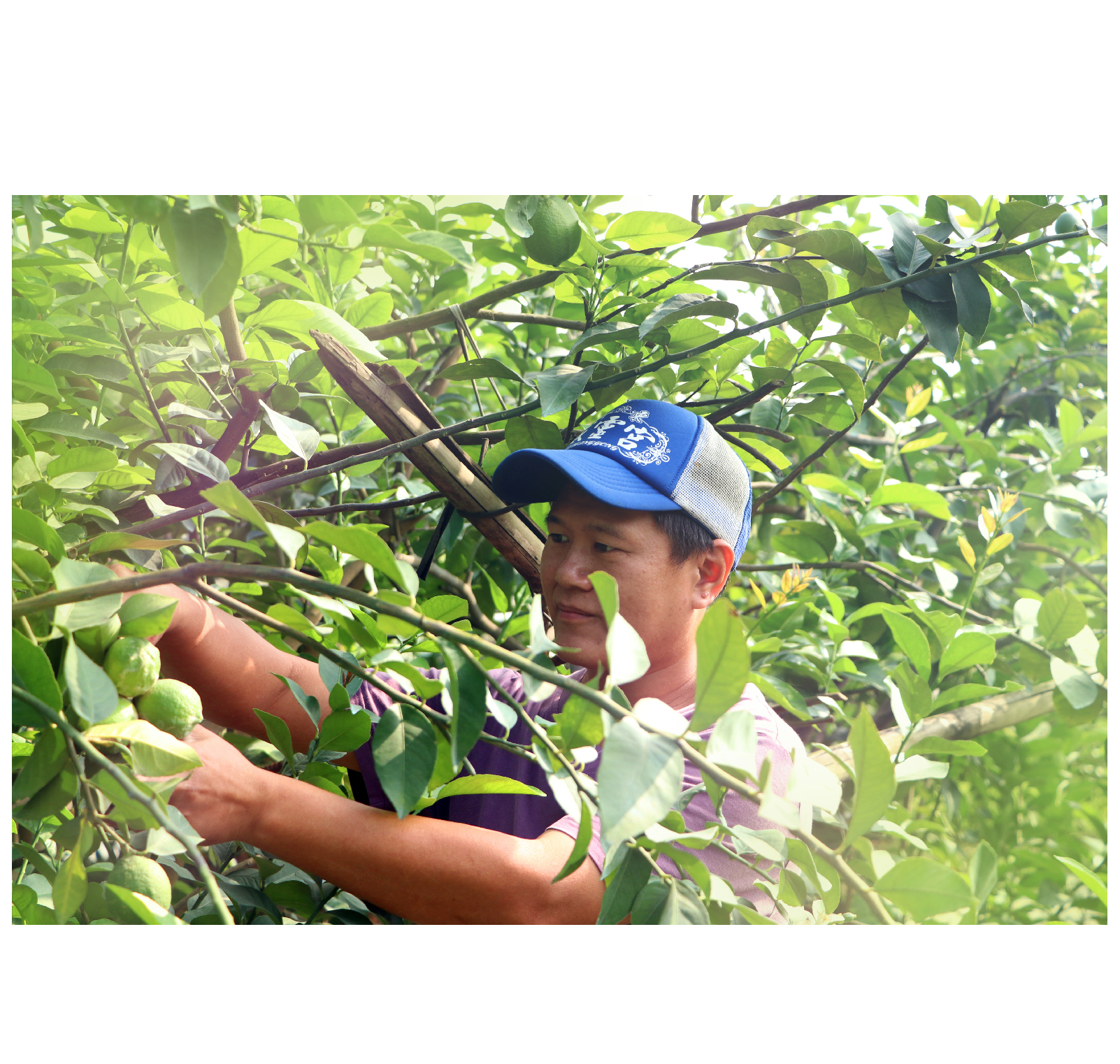
This is the orchard of Mr. Lu Jin-Ji. During his grandparents’ time, the family originally grew wax apples, but switched to lemons over a decade ago. Entering the orchard, you’ll see glossy green fruits nestled among dense leaves.
“Lemons are usually harvested during the day when there’s plenty of light—makes it easier to spot them,” he explains.
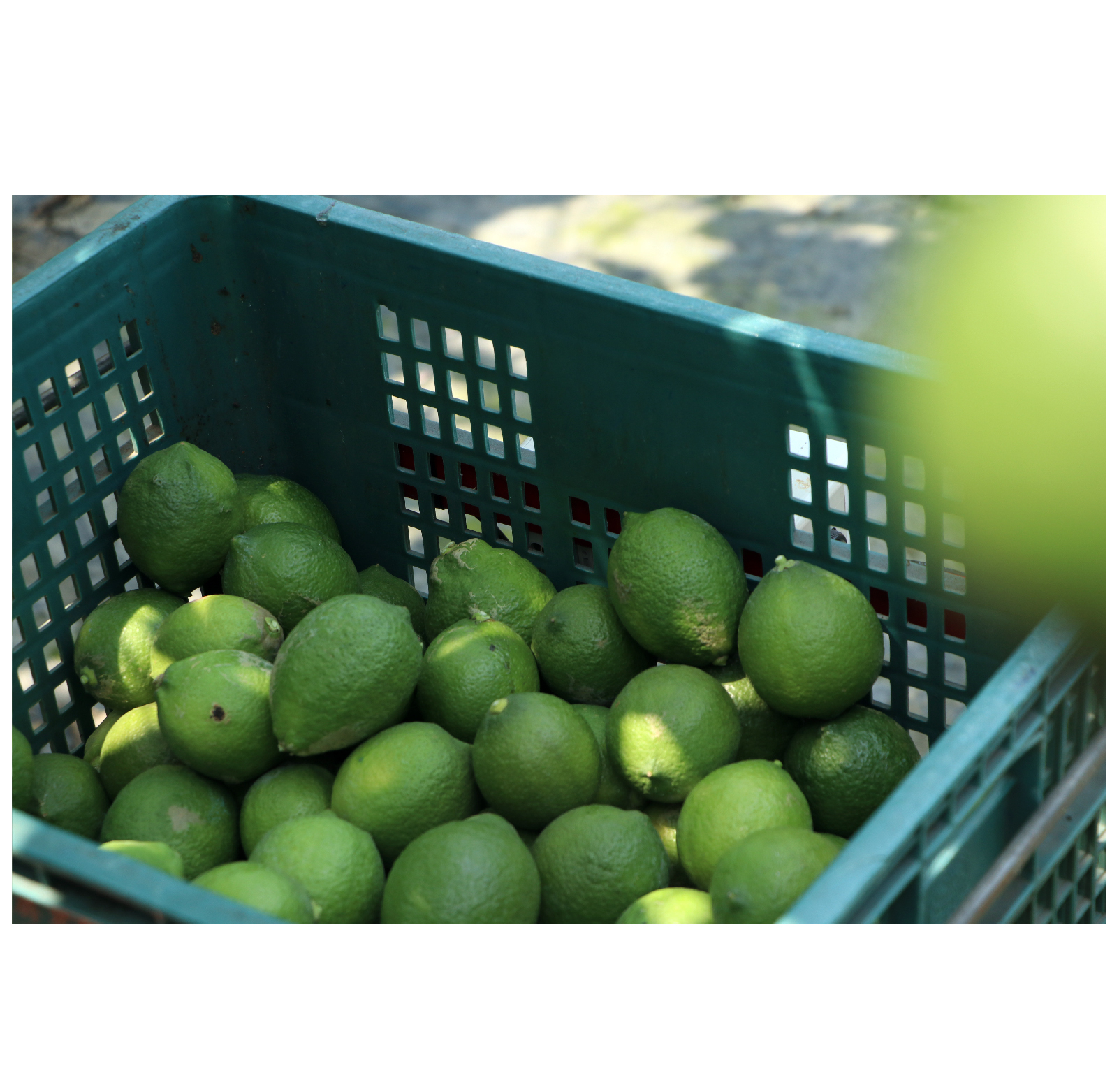
In Taiwan, lemons are commonly referred to as “seeded lemons” or “four-season lemons,” but their true cultivar name is Eureka. The lemons don’t significantly change color as they grow, and their leaves are also a deep green. This makes it the lemon farmer’s mission to determine the perfect timing for harvest—and to ensure no fruit is left behind.
From Taipei to the Lemon Orchard – A Farmer’s Return Home
“When I first came back from Taipei, I really wasn’t used to being out in the sun for so long,” Mr. Lu admitted. He used to work in an office in Taipei, spending long hours in air-conditioned rooms, which took a toll on his health. One of the main reasons he decided to return to his hometown was because his mother was getting older.
“I’ve been helping out here since I was a kid—for over 30 years. At first, I’d only come back on weekends, but later, I didn’t want my parents to keep working so hard as they aged. That’s when I decided to take over the farm.”
From the way Mr. Lu speaks, it’s clear he doesn’t see farming as an unpleasant obligation, but rather a technical profession that requires skill and care.
“I just want to learn while there’s still someone around to teach me,” he said. Farming isn’t something you can master overnight—a fact that Mr. Lu knows well. Even after years of helping his parents, he still approaches each day on the farm with a learning mindset.
Though he’s humble, it’s obvious from his confident talk about lemon trees that he’s an expert.
“In most cases, we don’t harvest in the first year—we let the branches and leaves grow fuller instead of focusing on fruit. The trees grow most vigorously around 3 to 5 years after planting, then start aging.”
He also pointed out how challenging it is to determine whether a lemon counts as a second-grade fruit.
Lemons – The Sellable Irregular Fruits
“We keep it simple—we only categorize as Grade A and non-graded.”
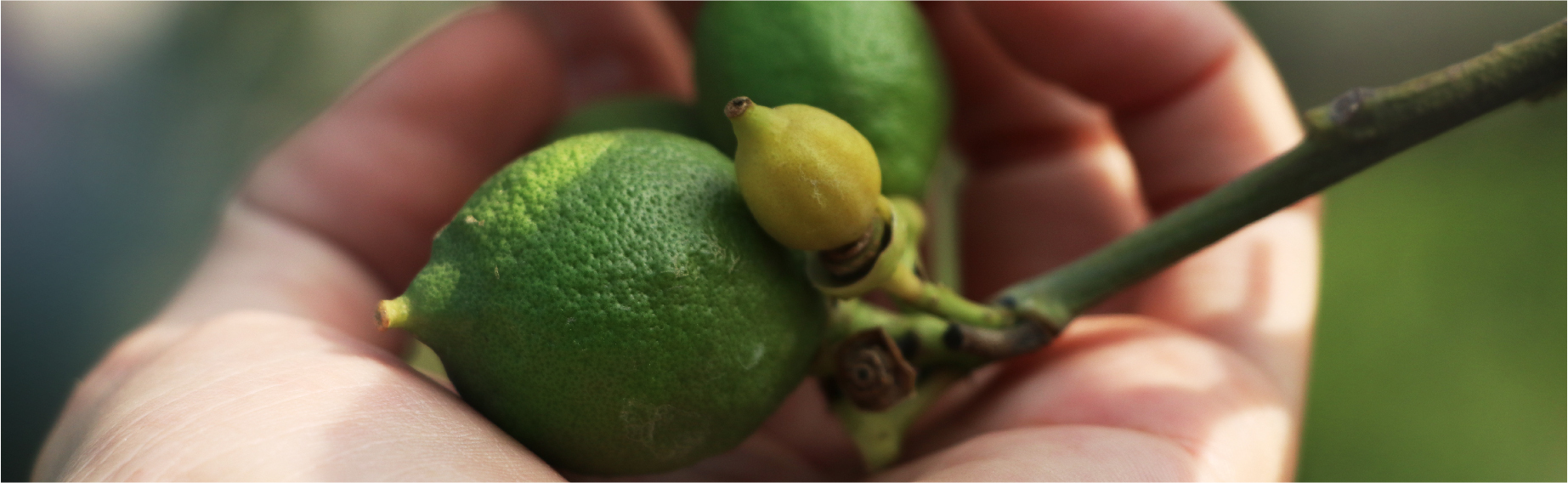
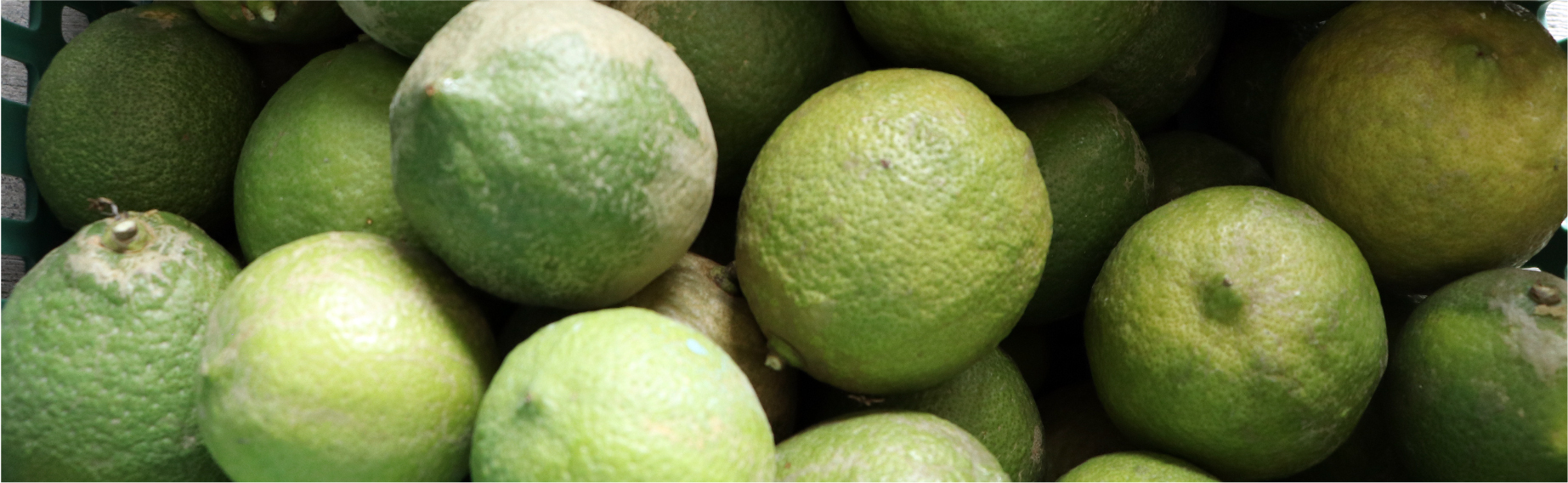
Smaller lemons or those with blemishes cannot be classified as Grade A, but Mr. Lu emphasizes that despite the imperfect appearance, these lemons are just as good in quality and taste as the top-grade ones.
Compared to other fruits, lemons rarely face the issue of being entirely rejected from the market. Even irregular lemons still have buyers—they can be processed or juiced. However, producing more high-grade lemons remains a challenge. Lemons are highly susceptible to pests and diseases. Common pests include citrus psyllids, aphids, longhorn beetles, and oriental fruit flies, among many others.
Additionally, fungal infections are a serious threat. Once a tree is infected, it must be burned to prevent the disease from spreading—even discarding infected fruit in a ditch poses a contamination risk.
Since juicing can be done before the lemons fully ripen, their slightly imperfect shapes don’t pose any health concerns. Although the market price is lower than that of Grade A fruit, “at least they’re not wasted.”
We felt grateful hearing this—lemons are among the few fruits with minimal waste, faring better than fruits like bananas or dragon fruit, which often have a high proportion of irregular produce.
We hope that someday, Guoyu’s ongoing efforts will help shift consumer perceptions—that “ugly fruit” doesn’t mean inedible fruit. Every fruit deserves a voice:
“Every fruit is worth cherishing.”
If you also hope the fruits and dried fruits you and your family enjoy are free from preservatives and filled with the nurturing essence of the land, we invite you to keep following the stories of Guoyu and our partner farmers.